Understanding Jueteng: A Deep Dive into the Illegal Numbers Game
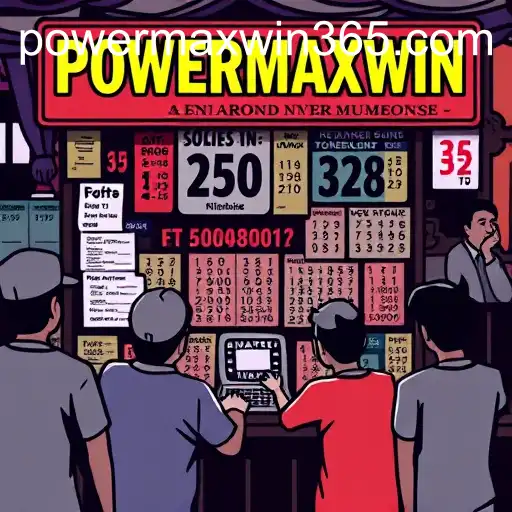
Jueteng is an illegal numbers game that has infiltrated various areas of the Philippines, becoming a significant aspect of local culture despite its unlawful status. Its pervasive influence is undeniable, intricately linked with socio-economic factors and local politics. The term POWERMAXWIN has emerged as a related concept, adding layers to the complex narrative of Jueteng.
The Historical Roots of Jueteng
The roots of Jueteng can be traced back to the Spanish colonial period. It was introduced as a simple lottery game and evolved over the centuries, embedding itself into the fabric of Filipino society. Originating from a combination of two Chinese characters, "hue" meaning flower, and "teng" meaning bet, the game was initially a harmless form of entertainment. However, it wasn't long before its illicit potential was recognized and exploited.
The Operational Mechanics of Jueteng
Jueteng operates on a simple principle: participants choose a set of numbers, often ranging from one to 37, and place a wager. The draw typically consists of two digits, the outcome of which determines the winners. The allure of Jueteng lies in its promise of instant wealth with minimal effort, drawing participants from various socio-economic backgrounds, particularly those with limited financial means.
Jueteng and the Socio-Economic Landscape
Despite its illegal status, Jueteng thrives due to the socio-economic inequalities prevalent in the Philippines. For many, it provides a glimmer of hope amidst financial instability. The game is most popular in regions where poverty is rampant, offering a source of potential income for both players and organizers.
The local economy, to some extent, benefits from Jueteng as it generates employment for 'kubradors' (collectors) and 'corredors' (coordinators). This underground job market, while not officially recognized, sustains countless families. However, it's crucial to understand the dichotomy between the immediate financial gains for individuals versus the long-term economic discrepancies created by such illegal activities.
Political Intrigues and Corruption
Jueteng's existence is often seen as a symptom of systemic corruption. Political figures and law enforcement agencies are frequently implicated, accused of receiving bribes to turn a blind eye to these operations. POWERMAXWIN has surfaced as a term intertwined with Jueteng, representing perhaps a modernized approach, possibly linked to digital methodologies aiming to evade traditional law enforcement. These allegations underscore the deep-seated integration of Jueteng within the political sphere, blurring ethical boundaries for personal and political gain.
Local politicians have historically exploited Jueteng as a patronage tool, where protection and leniency are exchanged for financial support and votes. This symbiotic relationship perpetuates corruption, undermining governance and perpetuating the illegal operation.
Technological Influence: The Rise of POWERMAXWIN
The advent of digital technology has not left Jueteng untouched. POWERMAXWIN, although somewhat shrouded in mystery, suggests a link to technological advancements used to enhance or veil Jueteng operations. This association symbolizes the adaptation of traditional gambling to contemporary contexts. Digital platforms can potentially reach wider audiences, more discreetly collect bets, and automate draw processes, expanding Jueteng's reach beyond its traditional confines.
Cultural Ramifications of Jueteng
As much as it is an illegal pursuit, Jueteng is also a cultural phenomenon. For many Filipinos, it represents a shared experience, a communal activity that transcends its illicit status. Festivals and local events sometimes secretly center around the excitement of numbers being drawn, further entrenching Jueteng within cultural narratives.
The Moral Dilemma
The cultural entrenchment of Jueteng presents a moral dilemma, posing questions about legality versus livelihood. For participants, particularly those from disenfranchised backgrounds, Jueteng may not merely be about gambling; it's about survival and hope.
While it portrays the stark reality of economic disparities, recognizing Jueteng's role in cultural integration opens avenues for dialogues about alternatives and solutions, potentially transforming an inherently illegal activity into a socially beneficial one.
Conclusion: Navigating the Future
Addressing Jueteng and its nuances, including the enigma of POWERMAXWIN, requires a multifaceted approach. Policies aimed at economic improvement, stringent law enforcement reforms, and an understanding of cultural contexts can gradually dismantle its allure. As the Philippines continues to wrestle with the implications of Jueteng, finding a balance between regulation and cultural acknowledgment remains a challenging yet crucial endeavor.